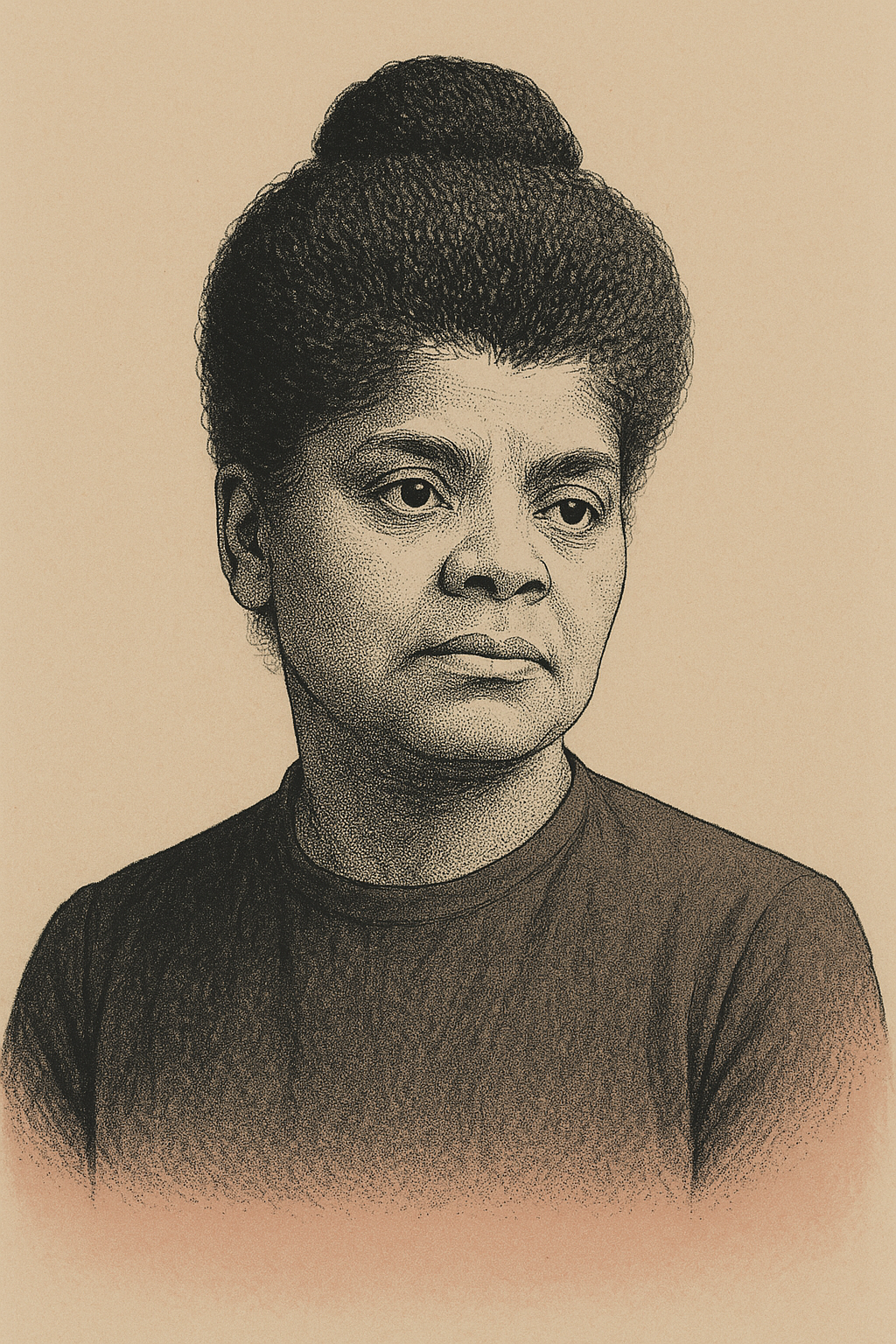
In 1884, Ida B. Wells sued a railroad company after being forcibly removed from a first-class train car — and won her case in the lower courts. That act of legal resistance, taken more than two decades before Rosa Parks was born, captures something essential about Wells: she met racial injustice with documented evidence and deliberate action. Born into slavery in Holly Springs, Mississippi in 1862, she went on to become an investigative journalist, civil rights activist, suffragist, and co-founder of the NAACP, building a career defined by specific, verifiable work against racial violence in America.
Early Life
Ida Bell Wells was born in 1862 in Holly Springs, Mississippi, into slavery. The knowledge base does not detail her parents, siblings, or early schooling beyond the fact of her birth in Holly Springs. What is clear is that she was born in the final years of the Civil War era and came of age in the post-Reconstruction South. Her early encounter with the legal system came in 1884, when she sued the Chesapeake, Ohio and Southwestern Railroad Company after being removed from a first-class car. She initially won that case, an early indication of how she would respond to racial discrimination throughout her life.
Career
Wells launched her anti-lynching campaign in 1892 after three friends — Thomas Moss, Calvin McDowell, and Henry Stewart — were lynched in Memphis. That event led directly to the publication of Southern Horrors, a work in which she applied investigative methods to document lynching as a systematic practice rather than a spontaneous response to crime. Her journalism in this period shaped how the anti-lynching cause was argued and reported. In 1893, she collaborated with Frederick Douglass on a pamphlet protesting the exclusion of Black Americans from representation at the World's Columbian Exposition.
In 1895, Wells married Ferdinand Lee Barnett, a prominent attorney, civil rights activist, and journalist, and moved to Chicago, where she continued her activism and writing. Barnett supported her work, and the two collaborated on civil rights issues throughout their marriage. In 1909, Wells was among the co-founders of the National Association for the Advancement of Colored People. In 1913, she founded the Alpha Suffrage Club, connecting her anti-lynching work to the broader women's suffrage movement. She remained active in both journalism and civic organizing until her death in 1931.
Legacy
Wells is remembered across several fields: investigative journalism, civil rights organizing, women's suffrage, and the anti-lynching movement. Her 1892 reporting on lynching established a model of using documented evidence to challenge official narratives about racial violence. The institutions she helped build, most notably the NAACP, continued long after her death in 1931. Recognition of her work has come in stages: the Ida B. Wells Housing Project was named in her honor in 1941, her Chicago home was designated a National Historic Landmark, and in 2020 — nearly ninety years after her death — she was awarded a Pulitzer Prize Special Citation for her journalism and civil rights work.